
Smoking as a Way to “Switch the Brain”
The Neuroscience Behind the Break Ritual
🧠 That moment of quiet when you step outside for a cigarette — it feels like a reset, a “brain switch.” This isn’t just in your head; it’s neuroscience. Smokers often describe cigarettes as helping them focus or change gears, especially during stressful workdays. This article explores the neurobiological mechanisms behind the ritual of the smoking break, drawing on the latest scientific research to explain how nicotine modulates attention, cognition, and mood.
To understand why smoking feels like a “brain switch,” you need to know about the cholinergic system. This is the neurotransmitter network that uses acetylcholine to regulate attention, learning, and memory [citation:1]. Nicotine, the primary psychoactive compound in tobacco, is a cholinergic agonist — it binds to the same receptors as acetylcholine, amplifying their signal [citation:1][citation:8].
Research shows that nicotine can improve sustained attention and reduce distractor interference, promoting what scientists call “cognitive stability” [citation:1]. However, the brain also needs “cognitive flexibility” — the ability to switch between tasks and adapt to changing demands. The challenge is balancing these two opposing processes [citation:1].
- 🧠 Balanced Performance: Key brain regions like the prefrontal cortex, parietal cortex, basal ganglia, and thalamus work together to maintain an optimal balance between stability and flexibility [citation:1].
- ⚖️ Nicotine’s Role: Nicotine modulates this balance, particularly by enhancing reorienting of attention — speeding up response times when shifting focus from one task to another [citation:1][citation:3][citation:8].
Neuroimaging studies have provided a window into how nicotine changes brain function. Two distinct types of effects have been observed:
🔥 Acute (State) Effects
These are the immediate, “in-the-moment” changes caused by a single dose of nicotine.
- ⏱️ Response Time: Nicotine speeds up response times in all task conditions, without necessarily affecting accuracy [citation:1].
- 🧭 Reorienting: Nicotine reduces the “validity effect” — the time cost of shifting attention from a correctly cued location to an unexpected one [citation:3][citation:8].
- ⚡ Brain Activity: Nicotine reduces neural activity in the parietal cortex during attention reorienting tasks, making the brain work more efficiently [citation:3][citation:8].
- ⛔ No Switch Effect: Interestingly, several studies found that nicotine does not significantly impact task switching — the process of changing from one type of task to another [citation:1][citation:2].
🧩 Chronic (Trait) Effects
These are long-term changes that persist in smokers, even when they’re not actively smoking.
- 🧠 Greater Tonic Activation: Smokers show increased baseline activity in the medial superior frontal cortex, right anterior insula, and bilateral anterior prefrontal cortex [citation:2][citation:7].
- 💪 More Effort Required: These “trait-like” effects suggest that smokers require additional recruitment of working memory and supervisory control operations during tasks, even when they have recently smoked [citation:2][citation:7].
- 📉 Withdrawal Deficit: Acute abstinence (12+ hours) leads to a measurable drop in working memory performance, which may be restored by smoking [citation:4][citation:5][citation:9].
📊 Smokers vs. Non-Smokers: Brain Activity Differences
| Aspect | Non-Smokers | Smokers (Satiated) | Smokers (Withdrawal) |
|---|---|---|---|
| Working Memory Performance | Baseline | Similar to non-smokers | ⬇ Significantly worse [citation:5] |
| Task-Related Brain Activation | Typical | ⬆ Greater tonic activation in prefrontal cortex [citation:2] | Not measured |
| Attention Reorienting (Parietal Cortex) | Baseline neural activity | ⬇ Reduced activity (greater efficiency) [citation:3][citation:8] | Not measured |
| Subjective Mood | Normal | Normal | ⬆ Higher stress, irritability, depression [citation:4] |
| Cognitive Flexibility (Task Switching) | Baseline | No significant difference from non-smokers | No data |
While nicotine is the primary driver of cognitive effects, the ritual of the break is also significant. Smokers report that cigarettes help them concentrate, and this belief is reinforced by the conditioned reinforcers associated with smoking [citation:6].
- 🧠 Relief from Abstinence: The mood and cognitive improvements experienced after smoking may simply be the reversal of withdrawal effects, rather than an absolute cognitive enhancement [citation:4][citation:9].
- ⏰ The “Pause” Effect: Stepping away from a task, even briefly, is known to improve focus and reduce mental fatigue. The cigarette provides a structured “permission” to take this pause, which is valued by smokers.
- 💨 Sensory and Motor Cues: The act of handling a cigarette, inhaling, and exhaling provides sensory feedback that may become part of the conditioned “switch” process [citation:6].
📍 Shipping Across Canada – All Provinces & Territories
We deliver to every province and territory with $29 flat shipping (free over $290) via Canada Post, Purolator, FedEx, or UPS. Age verification (19+) is required upon delivery.
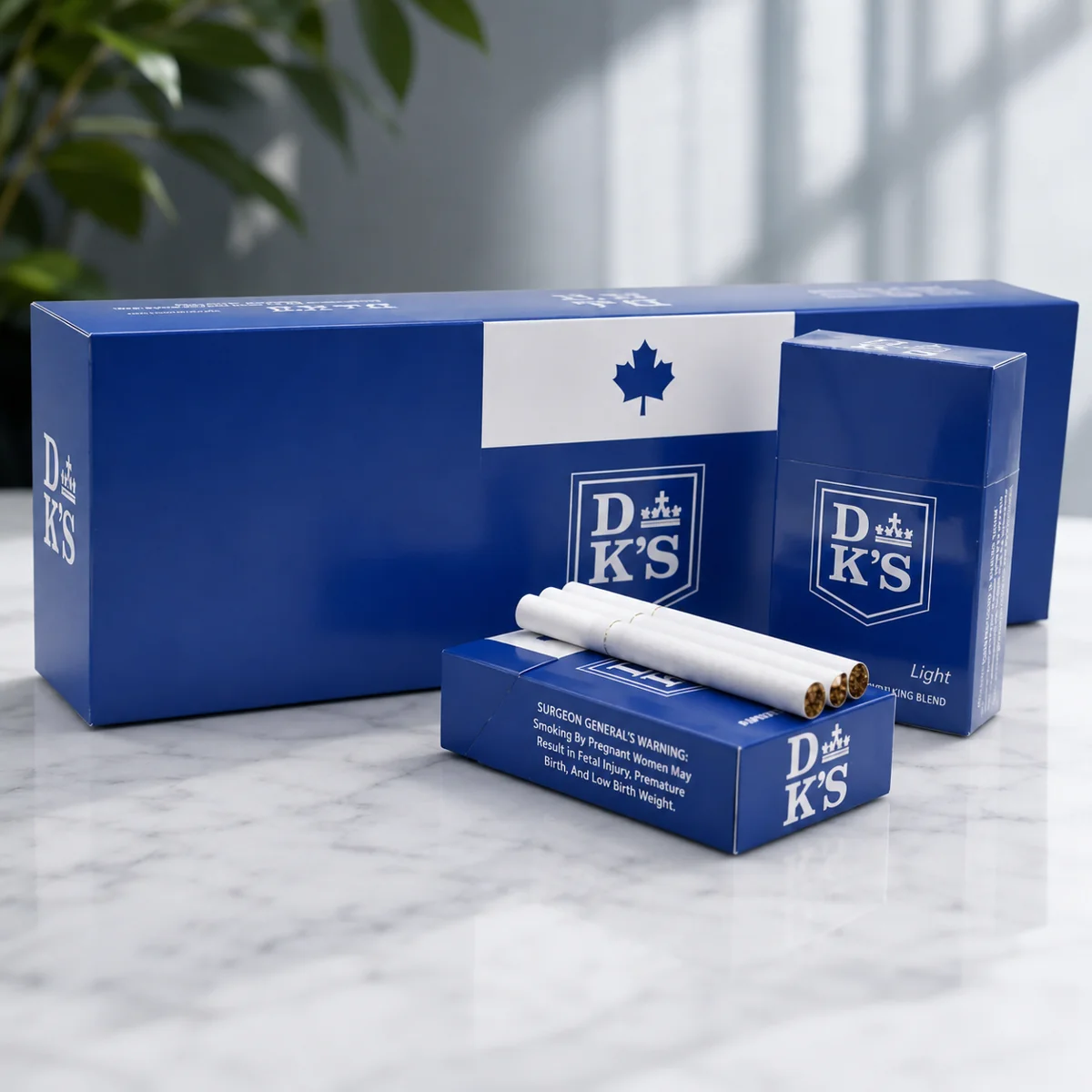
🔥 Top 5 Popular Products for Canadian Smokers




📚 You Might Also Find These Articles Interesting
History of Smoking in Canada
From 1950s ads to plain packaging – a longer timeline.
5 Iconic Ads Banned Today
Campaigns that would never survive modern laws.
1994 Tax Cut Story
How native cigarettes became affordable.
Why Cigarettes Are Expensive
Complete tax breakdown.
Forgotten Canadian Brands
Craven ‘A’, Sweet Caporal, Rothmans.
💨 Take a Break with Quality Native Smokes
Now that you understand the science behind the ritual, why not enjoy it with quality products at honest prices? We ship anywhere in Canada with $29 flat shipping – free over $290. Age 19+ verification required.
🛒 See Today’s Best Prices →