
The Lone Smoker Syndrome
A Social-Psychological Profile of the Smoker Who Only Smokes at Home, in Solitude
🚬 There’s a distinct character in the smoking world: the “lone smoker.” This is the person who never smokes in social settings, who discreetly lights up only when alone at home or in complete solitude. This isn’t just a quirk — it’s a distinct behavioral and psychological profile with deep roots in personality, emotional regulation, and even risk factors. This article explores the social-psychological portrait of the lone smoker, drawing on scientific research to understand why some people reserve smoking for moments of isolation.
The “lone smoker” is not a marginal figure; it is a recognized psychological archetype. Early research into smoking motivations identified that smoking alone is a distinct factor that drives consumption, separate from social or emotional triggers [citation:9]. This means that for some smokers, the act of smoking in isolation is not just about convenience — it’s a primary motivator.
This finding has been replicated in contemporary studies. A 2022 study of over 850 cannabis users found that 38.8% of users reported smoking mostly alone, and this solitary consumption was associated with significantly higher rates of problematic use and depressive symptoms [citation:1]. While this study focused on cannabis, the psychological dynamics of solitary substance use — including tobacco — are consistent.
- 🧠 A Primary Motivator: “Smoking alone” is not secondary to other motivations; it is a core driver for a subset of smokers.
- 📈 Prevalence: Nearly 40% of users in one study reported being mostly solitary consumers, highlighting that this is not a rare behavior [citation:1].
- 🔍 Beyond Convenience: Solitary smoking is not just about “having no one to smoke with.” It fulfills a specific psychological need for introspection, control, or emotional regulation.
🧠 The “Lone Smoker” Factor
The fact that “smoking alone” appears as a distinct factor in smoking motivation research suggests that it is a deep-seated behavioral pattern, not a circumstantial one. For these smokers, isolation is not a barrier to smoking — it’s a catalyst [citation:9].
What characterizes the lone smoker? Combining several research threads, a coherent profile emerges:
🧬 Personality
- Low Agreeableness: Studies have found that smokers score significantly lower on agreeableness than non-smokers [citation:10]. This suggests a tendency toward independence and less concern with social harmony, which aligns with solitary consumption.
- High Novelty Seeking: Smokers score higher on novelty seeking, which is linked to impulsivity and a desire for stimulation [citation:10].
- Low Self-Directness: Smokers score lower on self-directness, suggesting less capacity for self-regulation [citation:10].
- Neuroticism: Smokers exhibit higher levels of neuroticism, indicating a tendency toward negative emotionality [citation:10].
🧠 Psychological Drivers
- Stress and Depression: During the COVID-19 pandemic, smokers who were isolated at home reported that “dispelling depression and boredom” was a primary reason for smoking [citation:3].
- Ritual and Introspection: For some, smoking alone provides a moment of peace and quiet in a noisy world. It’s a time to think, reflect, and be alone with one’s thoughts [citation:2].
- Emotional Regulation: Solitary smokers often use cigarettes to manage negative emotions like anxiety or boredom [citation:3].
🏠 Context and Behavior
- Home-Centric: Almost 30% of Canadian smokers reported “always smoking inside” their home, and 28.6% reported sometimes smoking inside [citation:7]. The home is the primary site for solitary smoking.
- Fire Risk Behaviors: Smokers who smoke inside their home are more likely to engage in fire-risk behaviors like leaving lit cigarettes unattended [citation:7].
- Self-Imposed Isolation: Many smokers actively avoid social settings to smoke; they prefer the privacy and control of being alone [citation:2].
Smoking alone is not just a preference — it’s a significant risk factor for problematic consumption and associated mental health issues. The 2022 study on solitary substance use demonstrated that:
- 📈 Higher Frequency of Use: Mostly-alone users had significantly higher current use frequency compared to social users [citation:1]. The absence of social constraints means there is no “moderating effect” of others.
- 🧠 Increased Psychiatric Symptoms: Smoking mostly alone remained significantly correlated with depressive symptoms even when controlling for use frequency [citation:1]. This suggests that isolation itself — not just the substance — contributes to mental health risks.
- 🔄 A Mediating Pathway: The study found that the relationship between smoking alone and depressive symptoms was partially mediated by symptoms of substance use disorder [citation:1]. This suggests a cycle: solitary smoking leads to more problematic use, which worsens depressive symptoms, which reinforces the desire to smoke alone.
🧠 The Isolation-Use-Depression Cycle
Solitary smoking is not just a behavior; it’s part of a self-reinforcing cycle. The isolation of smoking alone can worsen mood, which increases the urge to smoke, which increases use, which deepens isolation. This cycle is particularly dangerous because it’s self-sustaining [citation:1].
For many lone smokers, the act of smoking alone is not about isolation in a negative sense; it’s about protecting a ritual of peace and introspection. This perspective, often articulated by pipe smokers, argues that:
- 🧘 A Moment of Quiet: In a fast-paced, noisy world, smoking alone provides a rare moment of stillness. It’s a time to think, reflect, and escape the constant noise of modern life [citation:2].
- 🛡️ A Physical Representation of Slowness: The act of smoking — especially with a pipe — is inherently slow and contemplative. It forces a person to slow down and be present [citation:2].
- 🧠 A Shield Against Conformity: The decline of pipe smoking is seen as a reflection of the growing hustle and bustle worldview. Choosing to smoke alone can be an act of resistance against the pressure to be constantly busy and social [citation:2].
- 🔒 A Private Self-Care Routine: For these smokers, the cigarette is a companion, not an addiction. It’s a tool for self-regulation and emotional balance, not a social prop [citation:2].
📊 Social vs. Solitary Smokers: A Comparative Profile
| Aspect | Social Smoker | Lone Smoker (Solitary) |
|---|---|---|
| Primary Setting | Bars, parties, with friends | Home, car, private spaces [citation:7] |
| Motivation | Social bonding, social confidence, peer influence [citation:9] | Introspection, stress relief, habit, boredom [citation:3][citation:9] |
| Personality | Higher agreeableness, social orientation | Lower agreeableness, higher neuroticism [citation:10] |
| Risk Level | Generally lower frequency, less dependent | Higher frequency, higher risk of substance use disorder and depression [citation:1] |
| Emotional Context | Relaxation, enjoyment, “good times” | Emotional regulation, boredom relief, stress management [citation:3] |
| Ritual Significance | Shared activity, social connector | Private moment, personal reflection [citation:2] |
📍 Shipping Across Canada – All Provinces & Territories
We deliver to every province and territory with $29 flat shipping (free over $290) via Canada Post, Purolator, FedEx, or UPS. Age verification (19+) is required upon delivery.
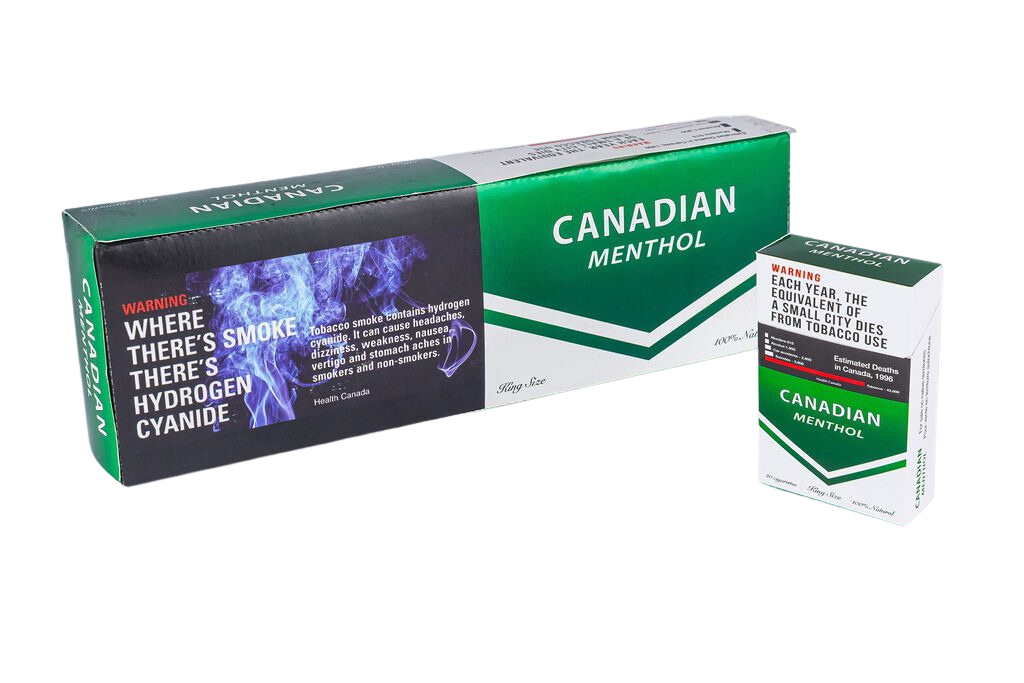
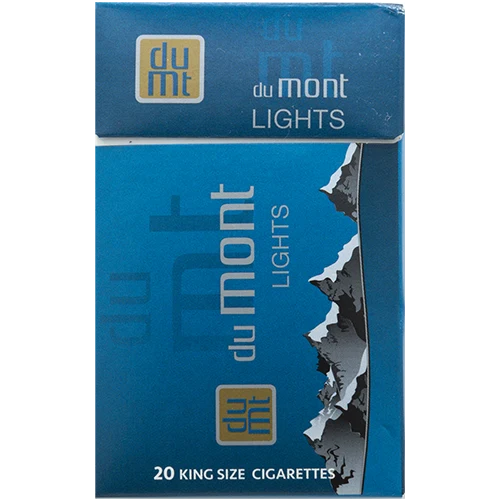
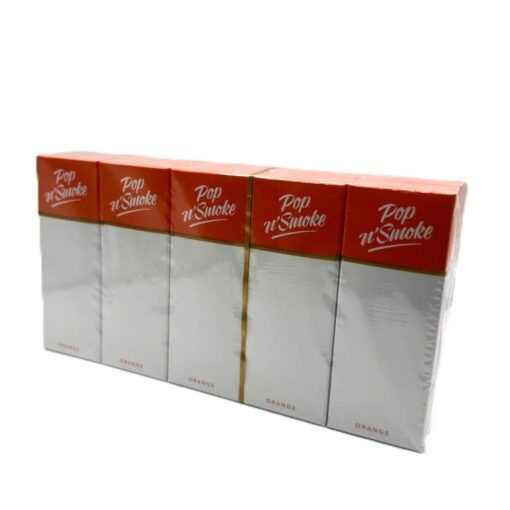
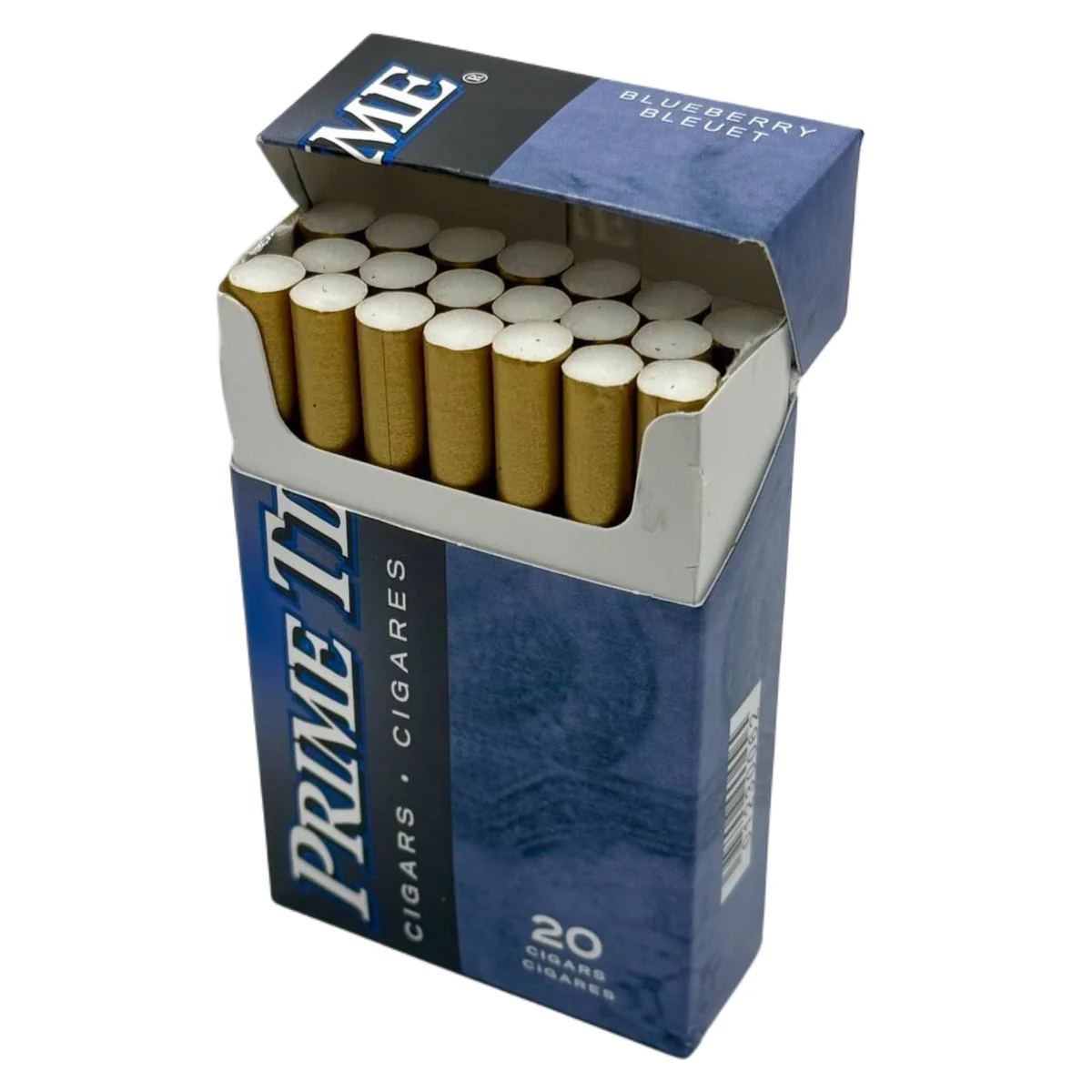
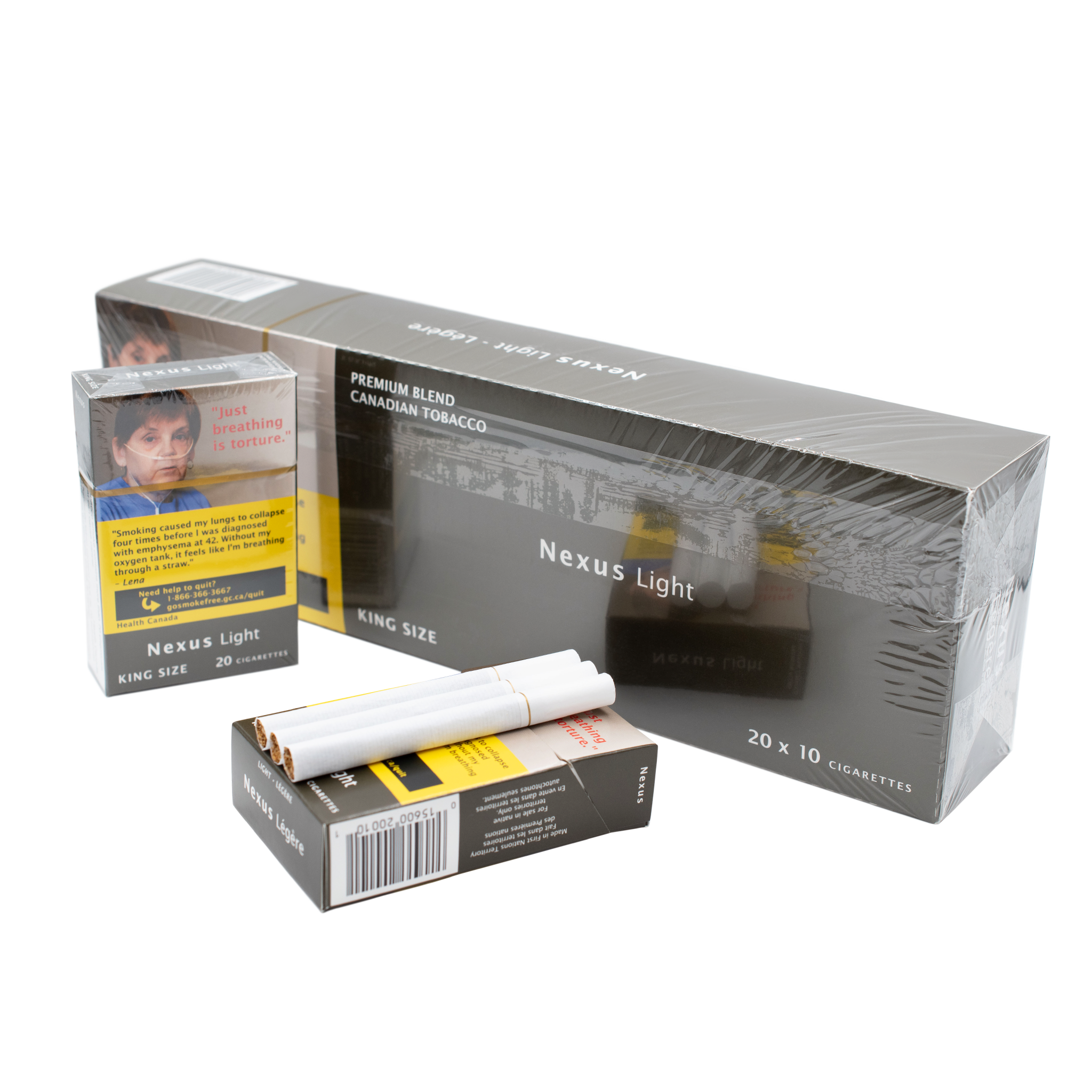
🔥 Top 5 Popular Products for Canadian Smokers
📚 You Might Also Find These Articles Interesting
History of Smoking in Canada
From 1950s ads to plain packaging – a longer timeline.
5 Iconic Ads Banned Today
Campaigns that would never survive modern laws.
1994 Tax Cut Story
How native cigarettes became affordable.
Why Cigarettes Are Expensive
Complete tax breakdown.
Forgotten Canadian Brands
Craven ‘A’, Sweet Caporal, Rothmans.
💨 Understand Your Ritual. Take Control.
Whether you’re a lone smoker seeking peace or someone looking to change your relationship with smoking, we’re here to support you. We ship anywhere in Canada with $29 flat shipping – free over $290. Age 19+ verification required.
🛒 See Today’s Best Prices →