
The “Bad Boy” Stereotype: From Rebel to Villain
How Cinema Created and Deconstructed an Archetype — A Psychological Deep Dive
🎬 He is the renegade, the outsider, the man who operates by his own rules. From the classic Hollywood gangster to the sensitive brooder of the 1990s, the “bad boy” is one of cinema’s most enduring and beloved archetypes. This article explores the fascinating psychology behind this character, tracing his evolution from a symbol of rebellion to a complex figure that both attracts and repels us, and revealing why we simply can’t look away.
The bad boy is an attractive, conflicted character defined by a potent mix of “dominant juvenile masculinities” — aggression, rebellion, and hypersexuality — alongside appealing traits like charisma and a hidden sensitivity [citation:1][citation:7]. This blend of danger and vulnerability creates a powerful psychological pull.
Media psychology research offers several explanations for this draw:
- 🧠 The ‘Safe’ Exploration of Danger: Forming a romantic parasocial relationship (RPSR) with a bad boy in media provides a “safe space” to explore thrilling and “borderline” romantic experiences without real-world risk [citation:1].
- 💪 Power and Self-Esteem: A relationship with a bad boy can offer a sense of power and a boost to self-esteem. The “good girl” fantasy of saving a troubled man through love and care is a powerful, recurring motif [citation:1][citation:7][citation:8].
- ❤️🔥 Vicarious Emotional Release: For audiences constrained by social expectations, the bad boy becomes an avatar for expressing repressed emotions. His displays of grief, rage, and passion can feel liberating to a viewer [citation:8].
- 🧩 Narcissism and Fantasy: Studies suggest that traits like narcissism are linked to a preference for “antiheroes,” as these characters can serve as a projection of the viewer’s own need for power and a sense of being special [citation:1][citation:7].
🧠 The “Uncanny” Appeal
As film scholar Timothy Shary notes, “There’s always something compelling about young men who are stuck between wanting to be cold paragons of adult machismo and needing to confront their innate emotional torments” [citation:8]. This internal conflict is the engine of his attraction.
The “bad boy” archetype is not static. His form has shifted to reflect the anxieties and aspirations of each generation [citation:2].
🕵️♂️ 1930s–1940s: The Gangster
Characters like James Cagney’s and Humphrey Bogart’s bootleggers gave the archetype its first iconic faces. They were public enemies and outlaws, their energy and defiance a source of dark fascination for a Depression-era audience [citation:2].
🧥 1950s: The Rebel Without a Cause
Marlon Brando’s performance in A Streetcar Named Desire (1951) and James Dean in Rebel Without a Cause (1955) reinvented the bad boy [citation:2]. Brando’s untamed energy and Dean’s raw vulnerability introduced a new dimension: the sensitive rebel, a brooding young man at odds with the conformist world [citation:5].
🎲 1960s–1970s: The Rat Pack & The Maverick
The Rat Pack—Sinatra, Martin, Davis Jr.—embodied a swinging, hedonistic bad boy, defined by a sense of “droit du seigneur,” martinis, and beautiful women [citation:2]. Later, the 1970s introduced a darker, more dangerous form: the maverick cop or criminal, like Clint Eastwood’s “Man with No Name.”
📓 1990s: The ‘Sensitive’ Heartthrob
The 1990s saw the rise of the “sensitive” bad boy [citation:8]. Stars like Leonardo DiCaprio and Johnny Depp portrayed characters who were both tormented and emotionally expressive. For an audience of young women, this was a fantasy of a man who could both understand and feel their pain, screaming it to the heavens on their behalf [citation:8]. The cigarette, once a sign of rebellion, became a prop of brooding introspection.
😈 21st Century: The Antihero and the Villain
Today, the bad boy has evolved into the complex antihero (like Walter White) or a charismatic, often Byronic villain. He is self-aware, conflicted, and morally ambiguous. The lines have blurred, and he is often just as compelling as the heroes he opposes [citation:2].
The cigarette is an iconic prop for the bad boy. It is a visual cue that instantly communicates rebellion, non-conformity, and a certain hard-boiled mystique. A 1998 analysis of on-screen smoking noted this shift: the cigarette was no longer just a symbol of glamour but had become a signifier for the morally ambiguous and the stressed [citation:3].
This visual language is deeply ingrained. The act of lighting up, the way a cigarette is held, and the context in which it is smoked all carry meaning.
- 🔥 The Rebel’s Prop: James Dean, the quintessential 1950s bad boy, famously had a cigarette dangling from his lip, symbolizing his defiance of the conventional 1950s lifestyle [citation:5].
- 🎭 A Tool for Characterization: On-screen, the way a character smokes can signal their role. A unique or “weird” way of holding a cigarette is often used to portray a villain [citation:9].
- ☠️ The “Bad Guy” Marker: By the late 20th century, smoking on film was often used to portray a character as “bad” or a “villain,” cementing its association with the archetype [citation:9].
The appeal of the bad boy is being increasingly challenged. Films and series are now more likely to portray the real consequences of his behaviors—abuse, emotional immaturity, and toxicity.
- 📉 The “Toxic” Label: Characters who were once seen as charmingly rebellious are now often viewed through a critical lens as “toxic” or “narcissistic.” Studies show that traits like Machiavellianism and psychopathy are linked to these parasocial attractions [citation:1].
- 🧠 The Rise of the “Sensitive” Man: The modern bad boy, as embodied by actors like Timothée Chalamet, often resolves his masculine conflicts “through getting in touch with their feelings more than acting out against the system,” reflecting a broader cultural shift [citation:8].
- ⚖️ The Unspoken Double Standard: While the “bad boy” is romanticized and heroized, the “bad girl” is rarely exalted in the same way. As one analysis notes, for girls, “lusting after ‘bad’ is much safer than being bad” [citation:8].
🧠 The Projection of Desire
Historian Carol Dyhouse eloquently explains the enduring attraction: “We fantasize about objects which on some level represent our own obsessions and needs. There’s never a clear line in desire between who you are and who you desire” [citation:8]. The bad boy is a mirror, reflecting our own desires for freedom, power, and emotional intensity back at us.
📊 The Evolution of the Bad Boy: Key Eras and Icons
| Decade | Archetype | Key Characteristics | Iconic Actors |
|---|---|---|---|
| 1930s–40s | Gangster / Outlaw | Defiance, criminal energy, dangerous charisma | James Cagney, Humphrey Bogart |
| 1950s | Rebel Without a Cause | Bordering on violence, sensitive, misunderstood, a rebel against society | Marlon Brando, James Dean |
| 1960s–70s | The Rat Pack / Maverick | Swinging, hedonistic, aggressive, roguish, “my way or the highway” | Frank Sinatra, Dean Martin, Clint Eastwood |
| 1990s | Sensitive Heartthrob | Brooding, emotionally available/expressive, one-sided, tortured | Johnny Depp, Leonardo DiCaprio, River Phoenix |
| 21st Century | Antihero / Complex Villain | Self-aware, morally ambiguous, conflicted, charismatic | Various actors in films like Joker |
📍 Shipping Across Canada – All Provinces & Territories
We deliver to every province and territory with $29 flat shipping (free over $290) via Canada Post, Purolator, FedEx, or UPS. Age verification (19+) is required upon delivery.
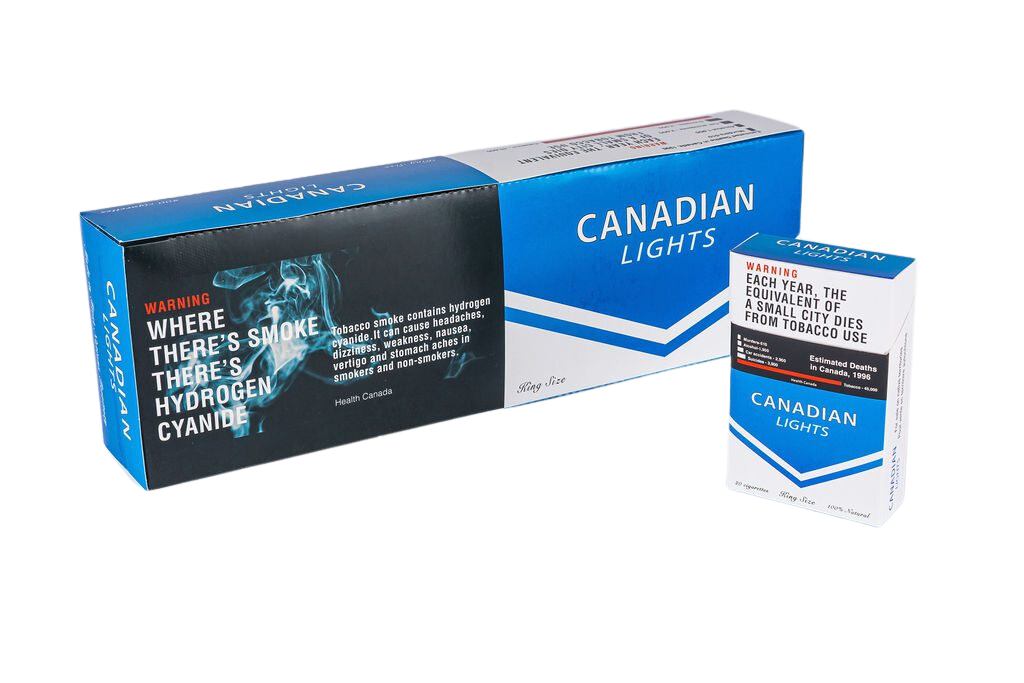
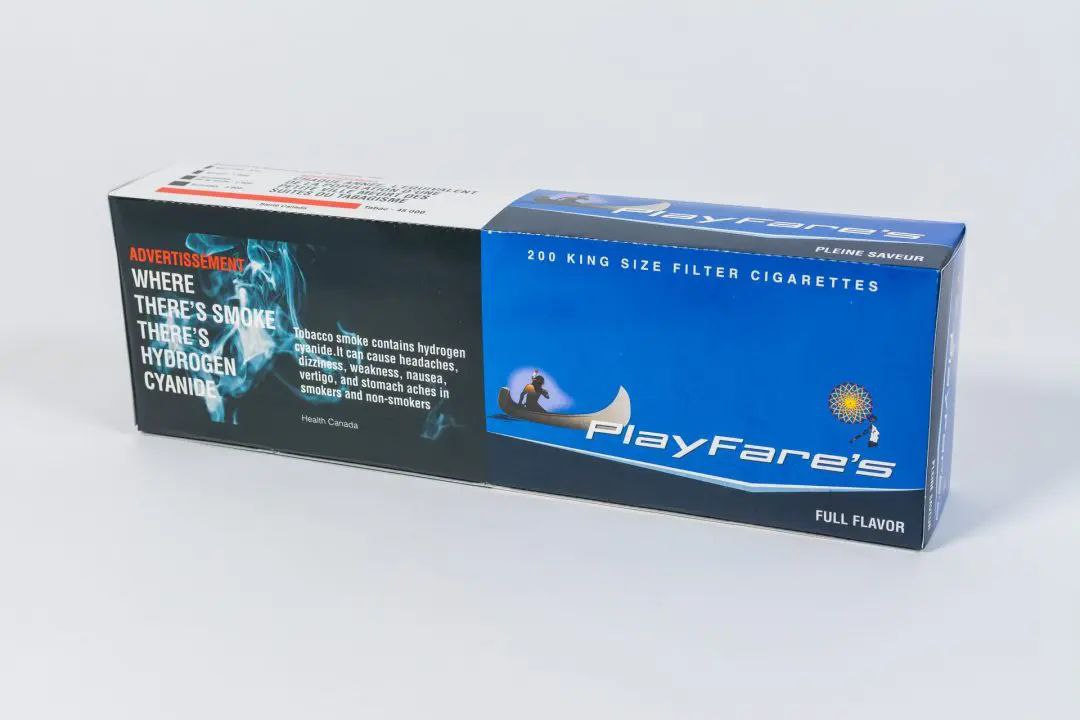
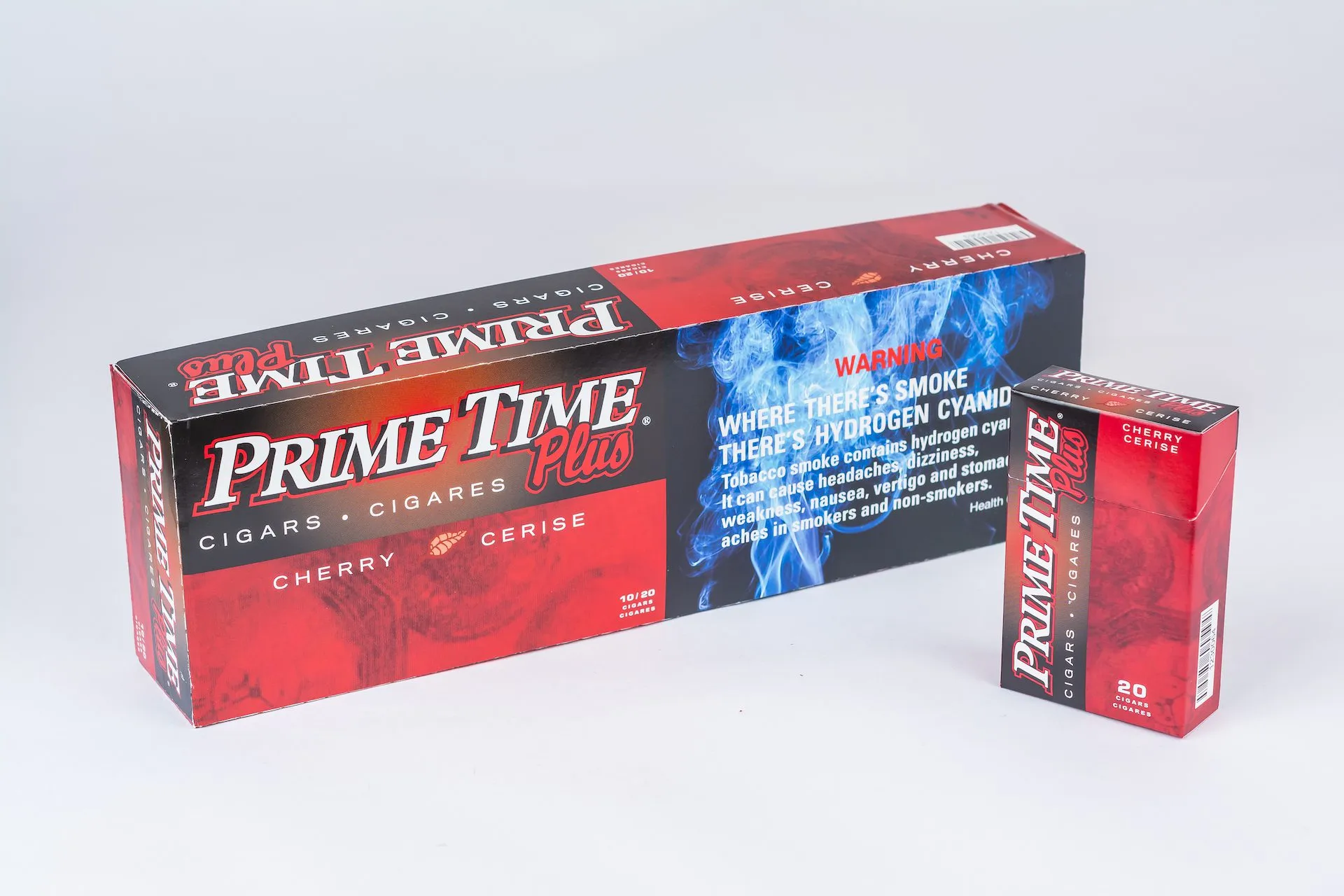
🔥 Top 5 Popular Products for Canadian Smokers
📚 You Might Also Find These Articles Interesting
History of Smoking in Canada
From 1950s ads to plain packaging – a longer timeline.
5 Iconic Ads Banned Today
Campaigns that would never survive modern laws.
1994 Tax Cut Story
How native cigarettes became affordable.
Why Cigarettes Are Expensive
Complete tax breakdown.
Forgotten Canadian Brands
Craven ‘A’, Sweet Caporal, Rothmans.
💨 No gimmicks. Just honest smokes.
We ship anywhere in Canada with $29 flat shipping – free over $290. Age 19+ verification required.
🛒 See Today’s Best Prices →